Understanding the Real Trekking Costs in Nepal:
Ok, now you have done your research. You have compared prices for your trek to the Annapurna Circuit or Everest Base Camp, and budgeted every rupee for your Nepal trekking adventure. But you may not know a painful truth: the real cost of trekking in Nepal is almost always higher than the sticker price.
This blog post is not a guide about the obvious expenses like flights, trekking permits, teahouse accommodation, or guided trek packages. This is something very crucial that every trekker must know before booking their adventure trip to Nepal.
We are here trying to cover the sneaky, under-discussed, and completely real hidden costs of trekking in Nepal that can derail your itinerary and drain your wallet.
Let's get into it:
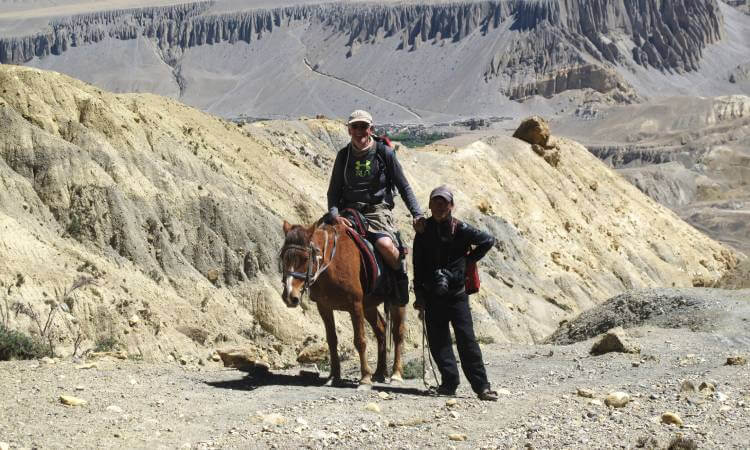
1. Horse Hire on Trek: The Overlooked Expense Nobody Budgets For
In most trekking destinations like Everest, Mustang region, Manaslu Circuit, and parts of the Annapurna trek, horses and mules are a legitimate, commonly used form of transport. But they are also a medical necessity for trekkers who develop altitude sickness, sustain ankle injuries, or can't continue on foot.
What Does Horse Hire Cost in Nepal?
Depending on the route and altitude, renting a horse or mule on trail typically costs NPR 5,000 - 15,000 per day (roughly $35 - $110 USD), sometimes more in remote sections like Upper Mustang or above Namche Bazaar.
When Would You Actually Need to Hire a Horse?
- Sudden onset of altitude sickness (AMS) requiring immediate descent
- Sprained ankle, knee injury, or physical exhaustion mid-trek
- Carrying a sick or injured companion
NOTE: Mentally allocate at least $80–$150 as a horse hire contingency fund on any multi-day high-altitude trek. It's not pessimism - it's trekking wisdom.
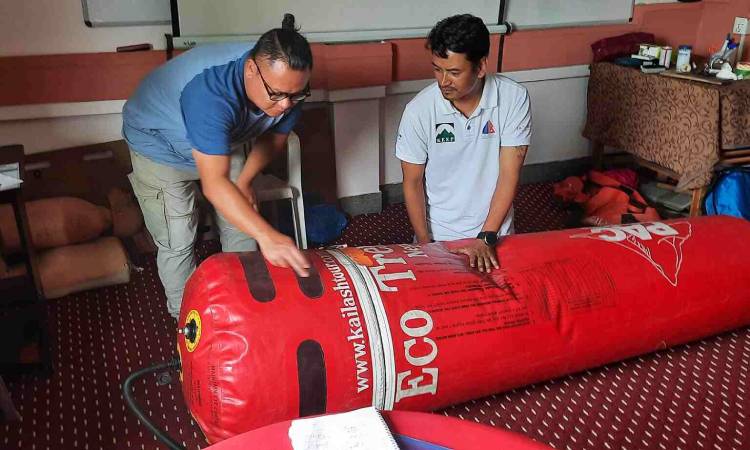
2. Unexpected Medical Expenses During Trekking in Nepal: Cost No One Mentions:
This is perhaps the most underreported hidden cost in every Nepal trekking budget guide on the internet. Trekking in high-altitude regions such as Everest Base Camp or any High Mountain Passes places physical stress on the body, and even experienced hikers can face health issues.
The most common problems include Altitude Sickness (AMS), dehydration, stomach infections, blisters, and muscle injuries. While many tea houses and trekking guides carry basic first-aid kits, more serious conditions may require professional medical help or emergency evacuation.
On-trial medical checkpoints are not always free. The high-altitude pharmacy markup is brutal. A strip of Diamox that costs NPR 60 in Kathmandu can cost NPR 400 - 600 above 3,500 meters.
Common Medical Costs Trekkers Face
- Basic medication from mountain clinics: $5 - $20
- Medical consultation in remote health posts: $20 - $100
- Oxygen support at high altitude: $50 - $200
- Emergency helicopter evacuation: $3000 - $6000, depending on location
This is why most trekking experts strongly recommend purchasing travel insurance that covers high-altitude trekking and helicopter rescue in Nepal.
NOTE: Trekkers should also carry a small personal medical kit that includes altitude medication, pain relievers, blister treatment, and rehydration salts. Being prepared can help reduce both health risks and unexpected trekking expenses.
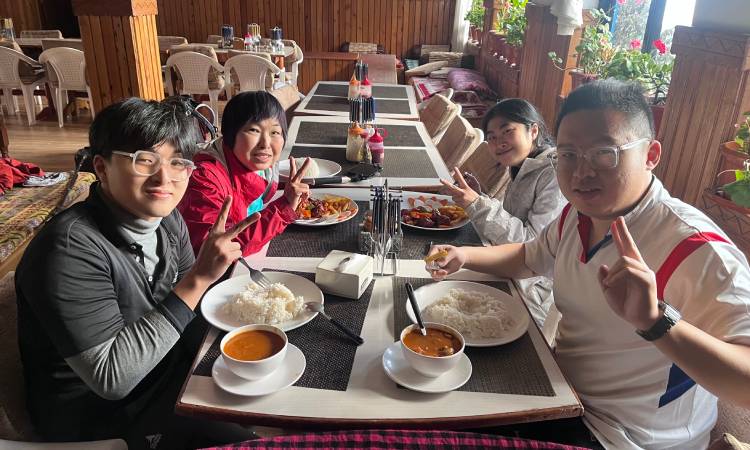
3. Extra Food Costs in Mountain Tea Houses:
Many trekking packages in Nepal include three meals a day, but trekkers often underestimate the additional daily expenses that occur in mountain tea houses. Small purchases such as snacks, desserts, hot drinks, bakery items, fizzy drinks, fresh coffee, alcohol, etc can gradually increase the total trekking cost.
In the Himalayas, everything must be transported by porters, yaks, or mules, which significantly increases the prices of items. As a result, even simple items can become surprisingly expensive.
Typical Extra Food and Drink Costs
- Chocolate bars or snacks: $3 - $6
- Fresh fruit (apples, oranges): $2 - $5 each
- Fresh Coffee: $3 - $5
- Bakery items: $3 - $6
- Fizzy Drinks: $3 - $5
These small daily costs may seem minor, but during a 10/14-day trek, they can easily add $100–$200 to the total trekking budget.
Understanding these small but frequent expenses helps trekkers plan a more realistic budget for trekking in Nepal and avoid financial surprises on the trail.
4. Weather Delays and Extra Accommodation Costs:
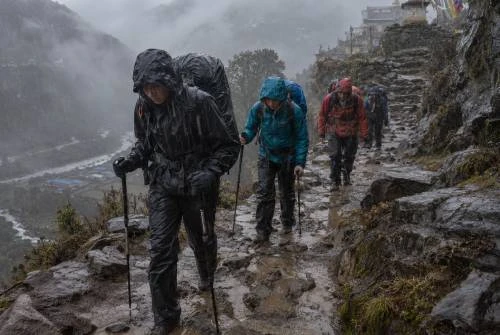
Weather conditions in the Himalayas can change rapidly, and unexpected weather delays are another hidden cost of trekking in Nepal. Many trekkers do not initially consider these delays that are more common in high-altitude regions such as Everest, Annapurna, or Mustang.
During such weather conditions, travelers may need to pay for additional accommodation, meals, and personal expenses. While a single extra night may not seem expensive, a couple of days' delay, heavy snowfall, or cancellation makes a huge difference. In some cases, flight delays to or from mountain airstrips like LUKLA or JOMSOM may also require trekkers to stay longer in villages or nearby towns.
Because of this, experienced trekkers and guides often recommend adding a small buffer to your Nepal trekking budget to cover unexpected weather delays. Planning for one or two extra days of accommodation and meals ensures that sudden changes in mountain weather do not create financial stress.
5. Charging Your Electronics: The Hidden Daily Tax
Above 3,000m, electricity becomes a premium. Teahouses in the Khumbu Valley and high Annapurna trail charge NPR 300–600 per device per charge, and that's per charge cycle, not per day.
For a 14-day EBC trek with a phone, camera battery, and power bank, you could easily spend NPR 5,000 - 12,000 ($38 - $90 USD) just keeping devices alive.
NOTE: Bring a high-capacity solar panel or dual-capacity power bank that can handle 3 - 4 full cycles.
6. Hot Shower and Heated Room Costs
Free hot showers? Not above 3,500m.
Another often overlooked hidden cost of trekking in Nepal is the price of hot showers and heated rooms in mountain tea houses. While basic accommodation is usually included in many trekking packages, services that require extra energy are typically charged separately.
Hot showers generally cost between $3 and $7 per shower, depending on altitude and availability. Similarly, some tea houses offer heated dining areas or small heated rooms during colder months, especially in winter trekking seasons. While these comforts can make a big difference, the added facility can slowly increase the overall trekking cost in Nepal if used frequently.
Trekkers planning their Nepal trekking budget should keep these small daily comforts in mind. Many experienced trekkers choose to limit hot showers at higher altitudes or bring quick-dry towels and basic hygiene supplies to manage costs while still staying comfortable during their Himalayan adventure.
NOTE: Budget NPR 500 - 1,000/day is realistic for most trekkers in cold conditions.
7. Bottled Water vs. Purification: A Cost You'll Face Every Day
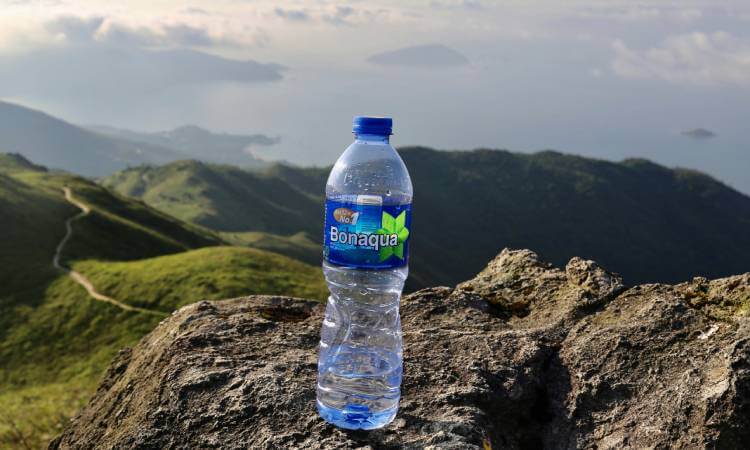
One of the most consistent daily expenses during a trek is the cost of drinking water. Staying hydrated is extremely important at high altitude, yet many trekkers underestimate how much they will spend on bottled water throughout the journey. Along popular trekking routes, bottled water becomes progressively very expensive.
In lower villages, a bottle of water may cost around $2–$3, but at higher elevations, the price can rise to $3–$5 or more per bottle. Since trekkers are advised to drink 3 / 4 liters of water per day to prevent dehydration and altitude sickness, the cost can quickly add up over a multi-day trek. This can significantly increase the overall trekking cost in Nepal, especially for longer routes.
To reduce this daily expense and make their Nepal trekking budget more manageable, many trekkers carry water purification tablets, portable filters, or UV purifiers. These allow them to refill bottles safely from local water sources or boiled water available in tea houses, helping save money while also reducing plastic waste on the mountain trails.
NOTE: The boiled water in a cup or thermos will cost more than bottled water.
- 1L bottled water: NPR 150 - 700 (price increases with altitude)
- Over a 12-day trek drinking 3L/day: NPR 5,400 - 15,000 ($40 - $110 USD)
NOTE: Carry a SteriPen UV purifier or Sawyer squeeze filter and refill from streams and teahouse taps. Purification tablets cost a fraction of bottled water.
8. Extra Porter Costs: When One Isn't Enough
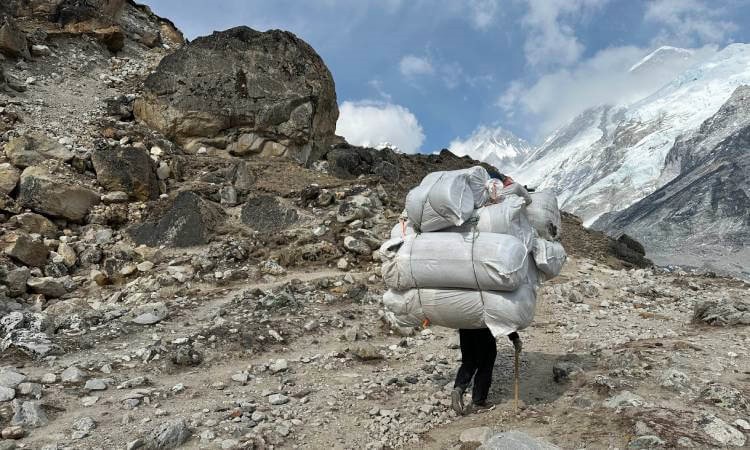
Most Nepal trekking guides will tell you to hire one porter per two trekkers, which handles roughly 25 - 30 kg of shared gear. Simple, right? In reality? Not always.
Situations Where You'll Need an Extra Porter
- Gear overload: If you arrive with camera equipment or more than 12 - 15 kg of personal luggage, your assigned porter is already at the ethical weight limit.
- Medical emergency porterage: If a trekker becomes ill, their personal gear needs to go somewhere while they are being assisted.
9. Helicopter Rescue and Evacuation: The Big One
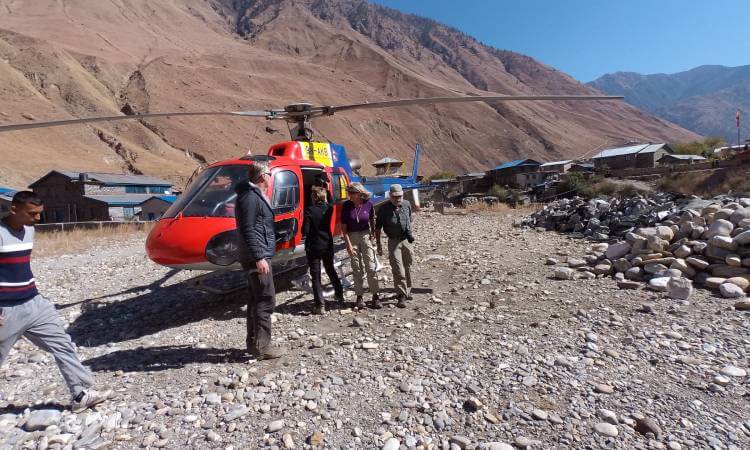
Among all the hidden costs of trekking in Nepal, helicopter rescue and evacuation is by far the most expensive and serious situation a trekker might face. While trekking, emergencies such as severe altitude sickness, injuries, or sudden medical conditions can occur, particularly in high-altitude regions.
In such remote Himalayan terrain, helicopter evacuation is often the fastest and safest way to reach proper medical care.
The cost of a helicopter rescue in Nepal can range from $3,000 to $6,000 or more, depending on the location, altitude, and weather conditions. Without proper travel insurance, trekkers may have to pay this amount themselves, which can dramatically increase the overall trekking cost in Nepal.
This is why experienced trekking operators strongly recommend purchasing travel insurance that covers high-altitude trekking and emergency helicopter evacuation before starting the journey.
What to Look for in Trekking Rescue Insurance
- Covers helicopter evacuation above 6,000m (not just 4,500m)
- Covers AMS-related evacuations
- Medical treatment coverage
- Has a 24-hour emergency line
- Includes 'search and rescue' specifically
10. Permit Fee Changes (Mid - Trek Surprises)
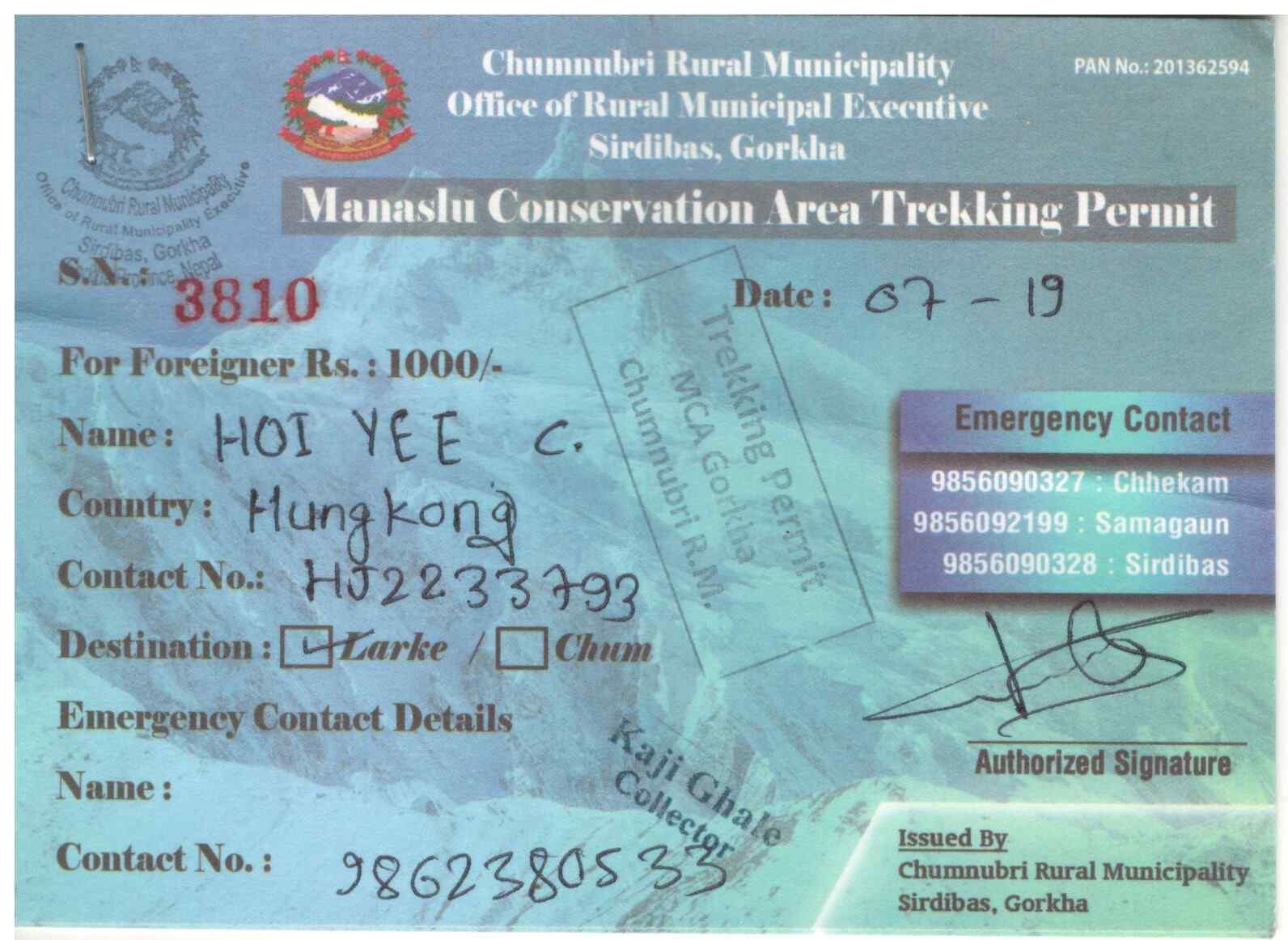
One hidden cost that often trekkers encounter is permit fee changes or the issuance of a new permit during the trek. In Nepal, trekking permits are required to trek in any trekking destination legally. However, sometimes the new government regulations or local administrative rules can increase the unexpected cost midway.
For example, Sagarmatha National Park Permit may have sudden price changes, and restricted-area fees may be added for certain routes. Or sometimes the local body will regulate a new Local Permit System that can be mandatory. Similar thigns have happened to trekkers while trekking in the Manaslu Circuit or Tsum Valley Regions. These mid-trek surprises do increase the overall trekking cost in Nepal beyond the initial budget.
To stay prepared, trekkers should always check the latest permit updates with their trekking operator or from any reliable source. By getting more information and updates, you can avoid surprises and enjoy your trek with greater peace of mind, knowing that all legal fees and permits are fully covered.
| PERMIT TYPE | COST (Foreign Nationals Per Person) |
| Sagarmatha National Park (Everest) | NPR 3,000 / $25 |
| Annapurna Conservation Area | NPR 3,000 / $25 |
| Langtang National Park | NPR 3,000 / $25 |
| Upper Mustang Restricted Area | USD $500 (10 Days) |
| Manaslu Circuit Restricted Area | USD $70 / 100 Per Week |
| Tsum Valley Restricted Area | USD $40 / 75 Per Week |
| Local Permits (in some areas) | NPR 1,000 / 3,000 ($8 / 25) |
11. Currency Exchange Losses and ATM Fees
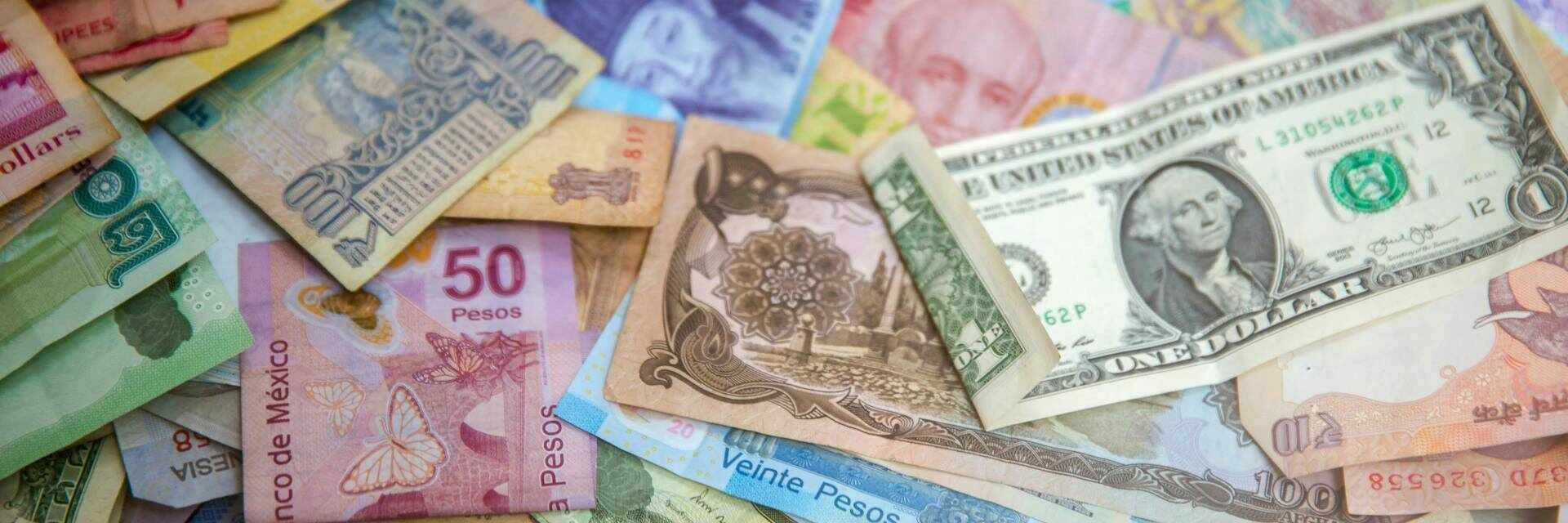
Another often overlooked expense that can quietly add up during a trek is currency exchange losses and ATM fees. Most international trekkers arriving in Nepal need to exchange foreign currency for Nepali Rupees (NPR) or withdraw cash from ATMs.
While major cities like Kathmandu and Pokhara have multiple options with better rates, remote trekking regions often have very limited access to banks or ATMs. Under such a situation, the trekkers may encounter extra costs for withdrawals or poor exchange rates, which can increase the additional costs.
At mountain towns where ATMs are possible, trekkers typically pay $2 - $5 per transaction. In addition, some remote villages charge higher fees for currency exchange due to limited supply, which can inflate their Nepal trekking budget.
NOTE: Withdraw sufficient Nepalese Rupees (NPR) in Kathmandu or Pokhara before departing for your adventure. Bring small denominations and carry USD as an emergency backup, as USD is widely accepted in lodges across Nepal.
12. Teahouse Meal Requirements: A Hidden Expense
On popular trekking routes in Nepal, many teahouses impose a mandatory 'STAY AND EAT HERE' policy, or there is a penalty. Free or cheap accommodation is offered, but you're expected to take all meals at the lodge at above-market rates.
Budget-conscious trekkers might plan for NPR 800–1,200 per day on food, but enforced meal rules can raise the actual cost to NPR 1,800–3,500 per day. This unexpected gap is $100–$200 USD over a typical two-week trek. Understanding these teahouse meal requirements helps trekkers plan a more accurate Nepal trekking budget and avoid surprises along the Himalayan trails.
The True Cost of Trekking in Nepal: Hidden Expenses Explained
| Hidden Costs Category | Low Estimage | High Estimate |
| Horse Hire (contingency) | $0 | $150 |
| On-trial Medical Examination | $20 | $200 |
| Extra Porter (unplanned) | $0 | $300+ |
| Electronic Charging | $25 | $100+ |
| Hot Shower + Heated room or extra blankets | $30 | $100 |
| Bottled Water or Boiled Water | $40 | $200 |
| Teahouse meal markups | $50 | $200 |
| ATM fees + Exchange losses | $15 | $60 |
| Permit Surprises | $0 | $50 |
| TOTAL HIDDEN COSTS | $180 | $1,360 |
Frequently Asked Questions (FAQs)
Q: How much does a porter cost per day in Nepal?
A: Porter wages typically range from NPR 2,000 - 3,000/day ($17–$25 USD) when hired in Kathmandu or Pokhara. Remote village porters may charge NPR 2,500–3,500/day. Always include tip: NPR 500–1,000/day extra.
Q: Is horse hire available on the Everest Base Camp trek?
Yes, horse hire is more common on the Everest Base Camp trail as well as western Nepal routes like Mustang, Manaslu, and the Annapurna Circuit trail.
Q: Do I need to pay for medical exams on the Nepal trekking trail?
Government health posts offer free or low-cost services, but private clinics and lodge-based health checks may charge USD $50 - $200, which may also include the use of oxygen. Altitude sickness monitoring equipment, like pulse oximeters, is often available for informal use at teahouses for a small fee.
Q: What is the most overlooked cost of trekking in Nepal?
Based on trekker reports and guide feedback, the most consistently overlooked costs are: (1) on-trail medical expenses, including medication markups, (2) electronic charging fees, (3) Hot Showeres, and (4) emergency transportation, including horse hire and helicopter evacuation deposits.
Q: How much cash should I carry for a Nepal trek?
For a standard 12-day trek like EBC or Annapurna Circuit, carry a minimum of NPR 60,000–80,000 ($450–$600 USD equivalent) in cash above your teahouse and permit budget, to cover unexpected costs and tipping.