Best Time to Trek in Nepal
Best Time to Trek in Nepal: Complete Season Guide for Himalayan Adventures
If you've been searching for the best time to trek in Nepal, you're already asking the right question. What is the best time to Trek in Nepal? Let us give you more insight into this with more detailed information. This question is very crucial because timing can make or break your Himalayan adventure.
Nepal is one of the world's most remarkable destinations for trekking and mountaineering. The country has the potential to offer a wide range of mountain adventures, from gentle hill walks to high-altitude expeditions. However, when your are planning your Nepal trip, choosing the right season matters more than anything else. Know about the climate in Nepal.
So, when exactly is the best time to trek in Nepal?
The classic answer is SPRING (March–May) and AUTUMN (September–November). For many good reasons, these are the two traditional seasons that have been going on for ages. Clear skies, stable trails, and stunning mountain views make these seasons the most popular and reliable windows for trekking. However, the real picture is indeed more complicated than that.
Due to Global Warming and climate change, the weather patterns are shifting. It's been quite a few years now, the weather globally is shifting or extending further. Owing to this change in Nepal, winter trekking is quietly gaining popularity. Experienced climbers are rethinking their summit timelines, and some are preferring autumn to spring. And climate change is gradually reshaping what each Himalayan season looks and feels like on the ground.
This guide breaks it all down in plain, honest language without confusion. Just the clear, practical information you need to choose the right season for your trek or climb in Nepal.
- Quick Question: When to Visit Nepal for Trekking?
- Quick Answer: March-May (Spring) and September-November (Autumn)
Why These Seasons?
- Stable weather patterns with minimal rainfall
- Clear mountain views and excellent visibility
- Comfortable trekking temperatures at most altitudes
- Reliable teahouse operations and trail services
Alternative Option: December-February (Winter) for fewer crowds, lower costs, and unique snow-covered landscapes
Understanding Nepal’s Trekking and Climbing Seasons:
Nepal has four main seasons. Each season brings a different experience in the mountains.
The Four Main Trekking Seasons:
- Spring (March to May) - Peak climbing season with blooming rhododendrons
- Summer/Monsoon (June to August) - Wet season with limited trekking options
- Autumn (September to November) - Peak trekking season with crystal-clear views
- Winter (December to February) - Off-season with peaceful trails and budget-friendly options
Altitude plays a crucial role in determining the best months to trek in Nepal. Lower-altitude treks (below 3,000m) are more flexible with timing, while high-altitude expeditions to Everest Base Camp or technical peaks like Ama Dablam require precise seasonal planning
| SEASON | MONTHS | WEATHER | CROWDS | BEST FOR |
| Spring | Mar-May | Warm, Stable | Moderate/High | Rhodeodendron, High Passes |
| Summer/Monsoon | Jun-Aug | Rainy, humid | Low | Upper Mustang, Dolpo |
| Autumn | Sep-Nov | Clear, dry | High | Everest and Annapurna |
| Winter | Dec-Feb | Clear, Cold | Very Low | Lower Altitude Treks |
Spring Trekking Season in Nepal (March to May)
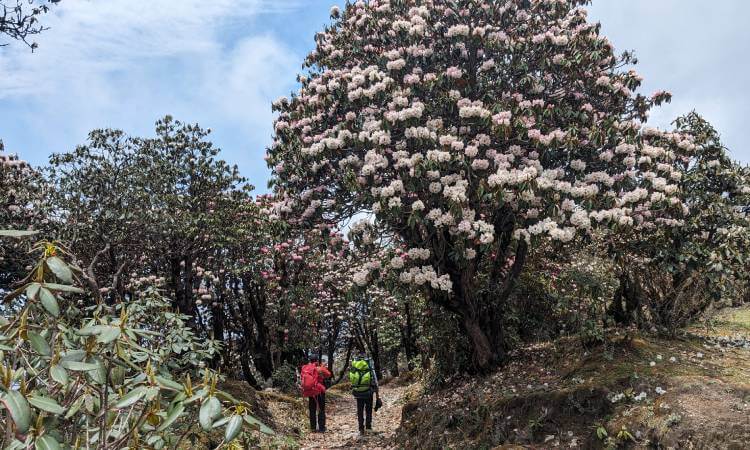
Spring is widely considered one of the two best times to trek and climb in Nepal. As winter's grip loosens, the Himalayan valleys burst into life with vibrant rhododendron blooms painting hillsides in shades of red, pink, and white.
Weather Conditions in Spring
- March: Winter transitions to spring. Morning temperatures range from 5-15°C at mid-altitudes, warming to 15-20°C by afternoon. Higher elevations remain cold with night temperatures dropping below freezing above 4,000m.
- April: The warmest spring month. Comfortable daytime temperatures of 10-20°C at mid-altitudes. Perfect for longer trekking days. Afternoon clouds may develop, but mornings typically offer clear mountain views.
- May: Late spring brings warmer conditions. Temperatures rise to 15-25°C in lower regions. This is the primary climbing season for 8,000-meter peaks as the jet stream moves north, creating crucial summit windows.
Best Treks During Spring
The Nepal trekking seasons make spring ideal for these popular routes:
Everest Base Camp Trek- Clear views of the world's highest peak, though trails can be crowded
Annapurna Base Camp Trek - Spectacular rhododendron forests in full bloom
Mardi Himal Trek - Less crowded alternative with stunning Annapurna views
Manaslu Circuit Trek- Remote trail with fewer trekkers
Langtang Valley Trek - Dramatic mountain scenery close to Kathmandu
Spring Climbing Season
Spring is the main expedition season for major Himalayan peaks.
- Mount Everest (8,849m / 20,032 feet)
- Manaslu (8,163m / 26,781 feet)
- Kanchenjunga (8,686m / 28,169 feet)
- Lhotse (8,516m / 27,940 feet)
- Makalu (8,485m / 27,838 feet)
- Ama Dablam (6,812m / 22,349 feet)
The brief summit window in May, when the jet stream shifts north, offers the most stable weather for high-altitude climbing.
Temperature Range
- Kathmandu: 15–25°C
- 3,000–4,000m: 5–15°C
- High passes: Below freezing at night
Spring Pros and Cons
Pros:
- Stable weather patterns
- Colorful rhododendron blooms
- Warmer trekking temperatures
- All teahouses and lodges are fully operational
- Main climbing season for 8,000m peaks
Cons:
- Popular trails become crowded
- Higher accommodation prices
- Advance booking essential
- Afternoon clouds may obscure views
- Dust on lower trails
Crowd Level: Very High
Weather Reliability: Excellent
Autumn Trekking Season in Nepal (September to November)
Many trekkers and guides consider autumn the absolute best time to trek in Nepal. After monsoon rains wash away dust and pollution, the atmosphere becomes crystal clear, offering the sharpest mountain views of the entire year.
Weather Conditions in Autumn
- September: Post-monsoon transition. Early September may see occasional afternoon showers, but the weather stabilizes by mid-month. Temperatures range from 15-25°C at lower elevations.
- October: Peak trekking month. Exceptionally clear skies, stable weather, and comfortable temperatures make this the most popular month for Nepal trekking. Daytime temperatures: 10-20°C at mid-altitudes.
- November: Early November remains excellent, though temperatures begin dropping. Late November brings colder nights at high altitude. Morning frost becomes common above 4,000m.
Best Treks During Autumn
Autumn's reliable weather makes it ideal for virtually every trekking route:
Everest Region - Unparalleled mountain clarity
Annapurna Circuit - Classic route with stunning diversity
Upper Mustang - Arid landscapes and Tibetan culture
Dolpo Trek - Remote high-altitude adventure
Three Passes Trek - Challenging Everest region route
Autumn Climbing Season
Autumn sees substantial climbing activity, particularly for technical 6,000-7,000m peaks:
While fewer 8,000m expeditions occur compared to spring, weather stability remains excellent for technical climbing.
Temperature Range
- Kathmandu: 10–25°C
- 3,000–4,000m: 0–15°C
- Higher altitude: Freezing at night
Autumn Pros and Cons
Pros:
- Best visibility and mountain views of the year
- Stable, predictable weather
- Comfortable trekking temperatures
- Spectacular photography opportunities
- Fresh, clean air post-monsoon
- Ideal for technical climbing
Cons:
- Most expensive season
- Heavily crowded popular routes
- Advance booking essential (3-6 months)
- Cold at high altitudes in late November
Crowd Level: Extremely High
Weather Reliability: Outstanding
Winter Trekking Season in Nepal (December to February) – The Growing Trend
Winter trekking in Nepal has transformed from an off-season rarity to a sought-after experience. Climate change has made winter conditions less extreme in mid-altitude regions, while trekkers increasingly value solitude and authenticity over perfect weather.
Why Winter Trekking is Gaining Popularity
- Peaceful Trails: Walk for hours without encountering large groups. Experience the mountains as they once were, quiet, untouched, raw, and serene.
- Lower Costs: Accommodation prices drop 30-50%. International Flights become more affordable.
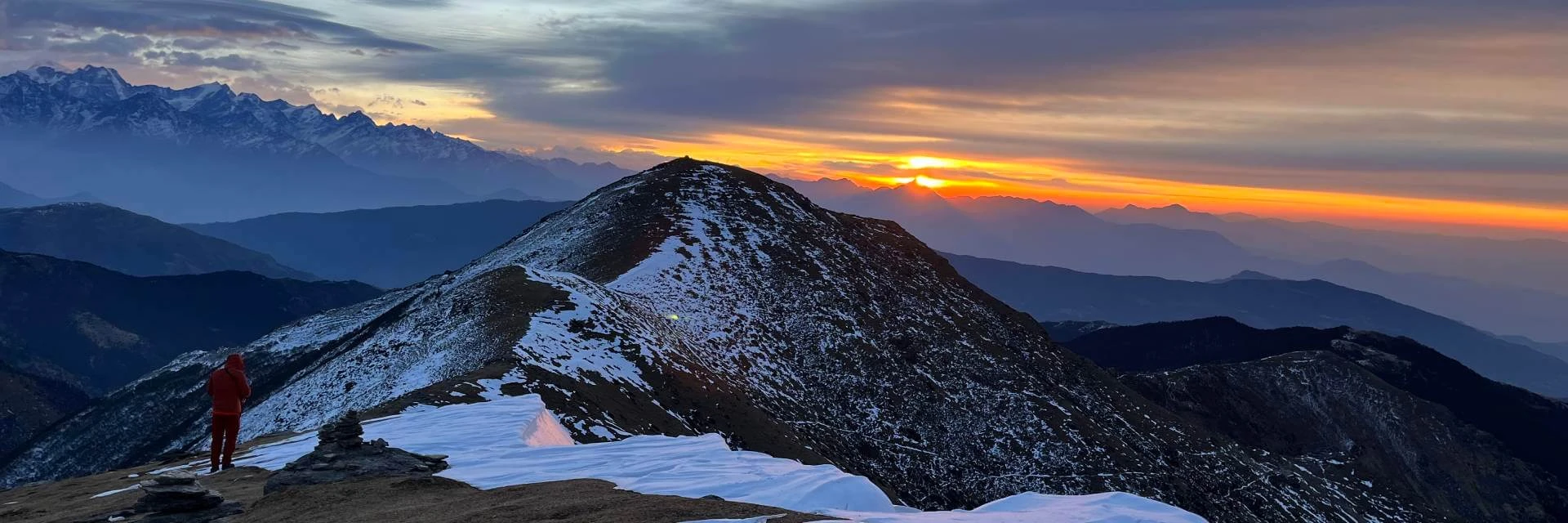
- Unique Landscapes: Snow-covered trails and frosted forests create magical scenery unavailable in other seasons.
- Clear Skies: When not snowing, winter often delivers spectacularly clear mountain views. The low-angle winter sun creates dramatic lighting for photography.
- Culture: With fewer tourists, interactions with local communities become more authentic and meaningful.
Weather Conditions in Winter
- December: Early winter. Temperatures range from 0-12°C at mid-altitudes. Cold but generally manageable with proper gear.
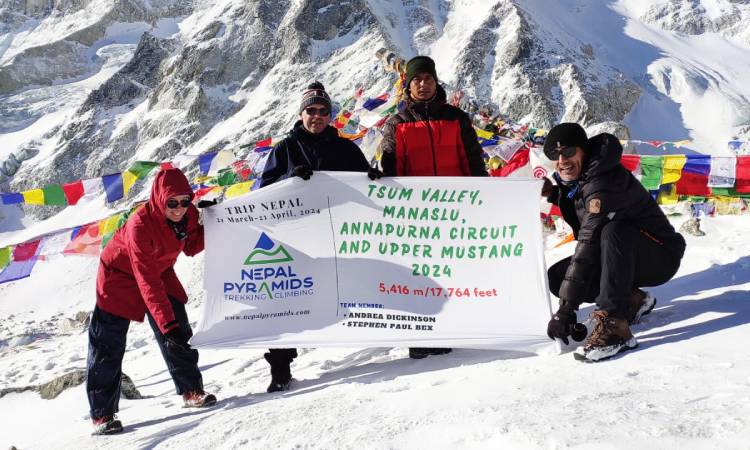
- January: Coldest month. Temperatures can drop to -15°C at Everest Base Camp. Lower regions remain accessible with temperatures of 5-15°C in valleys.
- February: Late winter. Slightly warmer than January. Spring approaches as days lengthen.
Best Winter Treks
Not all Nepal trekking routes work in winter. Choose lower-altitude or south-facing trails:
Recommended:
- Everest Base Camp: (possible but challenging above Namche)
- Annapurna Base Camp (feasible with good weather)
- Ghorepani Poon Hill (excellent winter trek)
- Langtang Valley (accessible most winters)
- Pikey Peak (spectacular Everest views without extreme altitude)
- Mardi Himal Trek:
- Khopra Trek:
- Mohare Danda Trek etc
Destinations to Avoid in Winter:
- Everest High passes or Most High Passes Trek
- Manaslu Circuit (dangerous conditions)
- Upper Mustang Trek
- Upper Dolpo (inaccessible)
Essential Winter Trekking Gear
Winter trekking in Nepal requires serious preparation:
- 4-season sleeping bag (-15°C rated minimum - Nepal Pyramids provide -30°C sleeping bag.
- Down jacket (800+ fill power) - Nepal Pyramids provides ultralight Primaloft warm jackets
- Insulated trekking boots
- Warm base layers (merino wool or synthetic)
- Hand and foot warmers
- Balaclava and winter gloves
- Microspikes or crampons for icy sections - Nepal Pyramids provide high-quality Yak Trax (spikes)
Winter Trekking Pros and Cons
Pros:
- Peaceful, uncrowded trails
- Significantly lower costs
- Authentic cultural experiences
- Clear weather windows
- Unique snow-covered landscapes
- Available accommodation without booking
- Emerging alternative to peak seasons
Cons:
- Very cold temperatures, especially at altitude
- Some lodges close in remote areas
- High passes often blocked
- Shorter daylight hours
- Unpredictable snowfall can trap trekkers
- Higher risk requires experience
- Flight cancellations more common
Crowd Level: Very Low
Weather Reliability: Moderate - variable conditions
Best For: Experienced trekkers seeking solitude and willing to accept challenging conditions
Monsoon Trekking Season in Nepal (June to August):
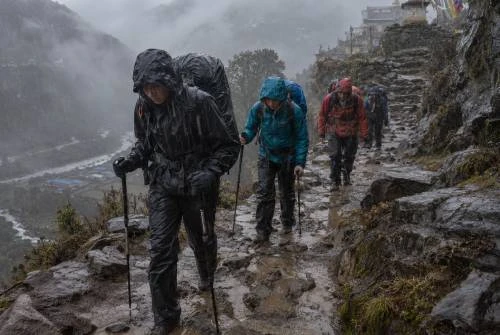
Monsoon is the least popular time for Nepal trekking, and for good reason. Heavy rainfall affects most regions, creating muddy trails, landslide risks, and limited mountain visibility. However, monsoon isn't entirely off-limits if you know where to go.
Weather Conditions During Monsoon
- June: Monsoon arrival. Afternoon thunderstorms become common. Morning trekking remains feasible in many areas.
- July: Peak monsoon. Heavy, prolonged rainfall in most regions. Humid conditions with temperatures of 20-30°C in lower areas.
- August: Late monsoon. Rainfall continues but gradually decreases toward the month's end.
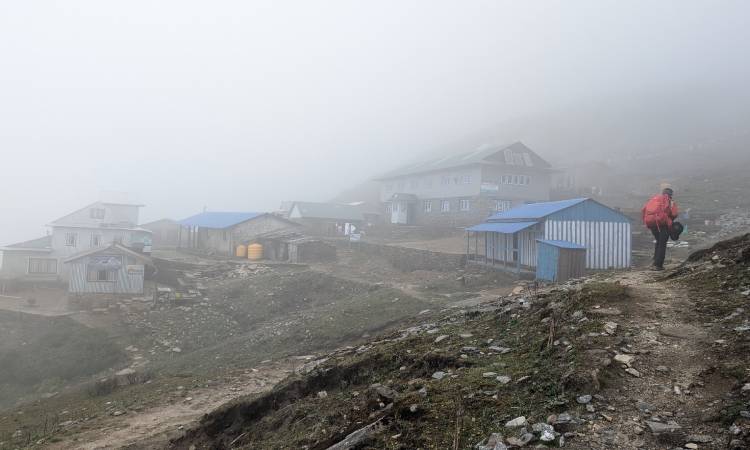
Rain-Shadow Regions: The Monsoon Exception
Upper Mustang and Upper Dolpo lie in Nepal's rain-shadow, receiving minimal monsoon precipitation. These regions become ideal summer trekking destinations:
Upper Mustang Trek:
- Arid, Tibetan-influenced landscape
- Ancient cave dwellings and monasteries
- Reliable weather during the monsoon
- Restricted area requiring special permits
Upper Dolpo Trek:
- Remote, high-altitude desert environment
- Shey Phoksundo Lake's stunning turquoise waters
- Minimal rainfall
- Extremely remote and challenging
Monsoon Trekking Pros and Cons
Pros:
- Empty trails and lowest costs
- Green, lush landscapes with waterfalls
- Rain-shadow regions offer excellent conditions
- Wildflowers in bloom
- Cultural festivals
Cons:
- Heavy rainfall in most regions
- Limited mountain views
- Muddy, slippery trails
- Landslide and flood risks
- Leeches on lower trails
- Some lodges close
- Flight delays common
Crowd Level: Minimal
Weather Reliability: Poor, except rain-shadow areas
Best For: Upper Mustang and Dolpo only, highly recommended to avoid standard routes.
Temperature Chart by Region and Season
Temperature & Weather Data for Nepal Trekking
Understanding Nepal's weather for trekking requires specific temperature data by region and altitude. Here's what to expect:
| Region | Altitude | Mar-May (Spring) | Sep-Nov (Autumn) | Dec-Feb (Winter) | Jun-Aug (Monsoon) |
|---|
| Kathmandu | 1,400m | 15-25°C | 10-25°C | 5-18°C | 22-30°C |
| Namche Bazaar | 3,440m | 5-15°C | 0-12°C | -10-5°C | 8-18°C |
| Everest Base Camp | 5,364m | -5/5°C | -10/5°C | -15/ -5°C | 0-8°C |
| Annapurna Base Camp | 4,130m | 0-10°C | -5/8°C | -10/0°C | 5-15°C |
| Poon Hill | 3,210m | 8-18°C | 5-15°C | -5/8°C | 12-20°C |
| Manang | 3,540m | 2-12°C | -5/10°C | -15/0°C | 8-18°C |
Monthly Rainfall Patterns
| Month | Kathmandu | Everest Region | Annapurna Region | Mustang |
|---|
| January | 15 mm | 10 mm | 20 mm | 5 mm |
| February | 18 mm | 12 mm | 25 mm | 5 mm |
| March | 35 mm | 20 mm | 40 mm | 8 mm |
| April | 55 mm | 30 mm | 65 mm | 12 mm |
| May | 90 mm | 45 mm | 100 mm | 18 mm |
| June | 240 mm | 120 mm | 280 mm | 25 mm |
| July | 380 mm | 150 mm | 420 mm | 35 mm |
| August | 330 mm | 140 mm | 380 mm | 30 mm |
| September | 155 mm | 75 mm | 180 mm | 20 mm |
| October | 40 mm | 20 mm | 50 mm | 10 mm |
| November | 10 mm | 5 mm | 15 mm | 5 mm |
Altitude Impact on Trekking Conditions (Nepal)
| Altitude Range | Temperature Pattern | Seasonal Behavior | Difficulty Level | Best Suited For |
|---|
| Below 3,000m | Warm to mild most of the year | Flexible trekking seasons, heavy rainfall during monsoon | Easy to Moderate | Beginners, cultural treks, comfort-focused trekkers |
| 3,000m – 4,500m | Noticeable temperature drop, colder nights | Seasonal timing important; weather more sensitive | Moderate to Challenging | Popular classic routes like Annapurna Base Camp and Everest Base Camp |
| Above 4,500m | Very cold; extreme cold in winter | Short seasonal windows; harsh winter conditions | Challenging to Technical | High passes, expeditions, experienced trekkers |
Month-by-Month Nepal Trekking Guide
| Month | Temperature | Conditions | Best For | Avoid | Crowds | Verdict |
|---|
| January | Cold (5–15°C valleys, -15°C high) | Clear but freezing at altitude | Ghorepani Poon Hill, lower Everest region | High passes, Manaslu Circuit | ⭐ Very Low | Great for solitude with proper winter gear |
| February | Cold, slightly warmer | Clear skies, late-month improvement | Same as January | High passes | ⭐ Very Low | Quiet before spring |
| March | Pleasant (15–22°C valleys) | Spring begins, rhododendrons bloom | Everest Base Camp, Annapurna Circuit | — | ⭐⭐⭐ Building | Excellent start of peak season |
| April | Warm & stable | Peak bloom, clearest skies | All major treks, 6,000–7,000m peaks | — | ⭐⭐⭐⭐ High | One of the best months overall |
| May | Hot in valleys, good higher up | Warmer, 8,000m summit season | High-altitude expeditions incl. Mount Everest | Low-altitude treks | ⭐⭐⭐⭐ High | Best for serious altitude goals |
| June | Hot, humid | Early monsoon rains | Upper Mustang | Standard routes | ⭐ Very Low | Rain-shadow areas only |
| July | Very humid & wet | Peak monsoon | Upper Dolpo | Most other treks | ⭐ Minimal | Least favorable month |
| August | Humid, improving late month | Continued monsoon | Upper Mustang & Dolpo | Most classic treks | ⭐ Minimal | Similar to July |
| September | Pleasant & fresh | Monsoon clears, sharp views return | All major treks resume strongly | Early Sept (residual rain) | ⭐⭐⭐ Rising | Strong autumn start |
| October | Ideal (15–25°C valleys) | Crystal-clear, stable | Every major trek, Ama Dablam expeditions | — | ⭐⭐⭐⭐⭐ Very High | Absolute best overall month |
| November | Cool & dry | Excellent early, colder late | All major treks (early month best) | High passes late month | ⭐⭐⭐⭐ High → Moderate | Still excellent |
| December | Cold but clear | Start of winter | Lower treks, Ghorepani | High-altitude passes | ⭐⭐ Low | Peaceful winter trekking |
Frequently Asked Questions About the Best Time to Trek in Nepal
1) What is the best month to trek in Nepal?
Answer: October is widely considered the best month to trek in Nepal due to clear skies, stable weather, and excellent mountain visibility. April is another excellent option, especially for blooming rhododendron forests and comfortable temperatures.
2) Is it possible to trek in Nepal during the monsoon season?
Answer: Yes, trekking is possible during monsoon (June-August), especially in rain-shadow regions like Upper Mustang and Upper Dolpo. However, most popular trails experience heavy rainfall, slippery paths, and limited mountain views.
3) Is winter a good time for trekking in Nepal?
Answer: Winter (December-February) is suitable for lower altitude treks such as Ghorepani Poon Hill and some Annapurna routes. Higher passes may be closed due to heavy snowfall and extreme cold.
4) Which season has the clearest mountain views in Nepal?
Answer: Autumn (September-November) offers the clearest mountain views due to post-monsoon skies and stable weather conditions. October is considered the peak month for visibility.
5) When is trekking in Nepal the least crowded?
Answer: Winter (December-February) and monsoon season (June–August) are the least crowded periods. These months are ideal for trekkers seeking solitude and quieter trails.
6) What is the cheapest time to trek in Nepal?
Answer: Winter and monsoon seasons can be more budget-friendly due to lower demand for guides and accommodation. However, weather conditions may be more challenging.